





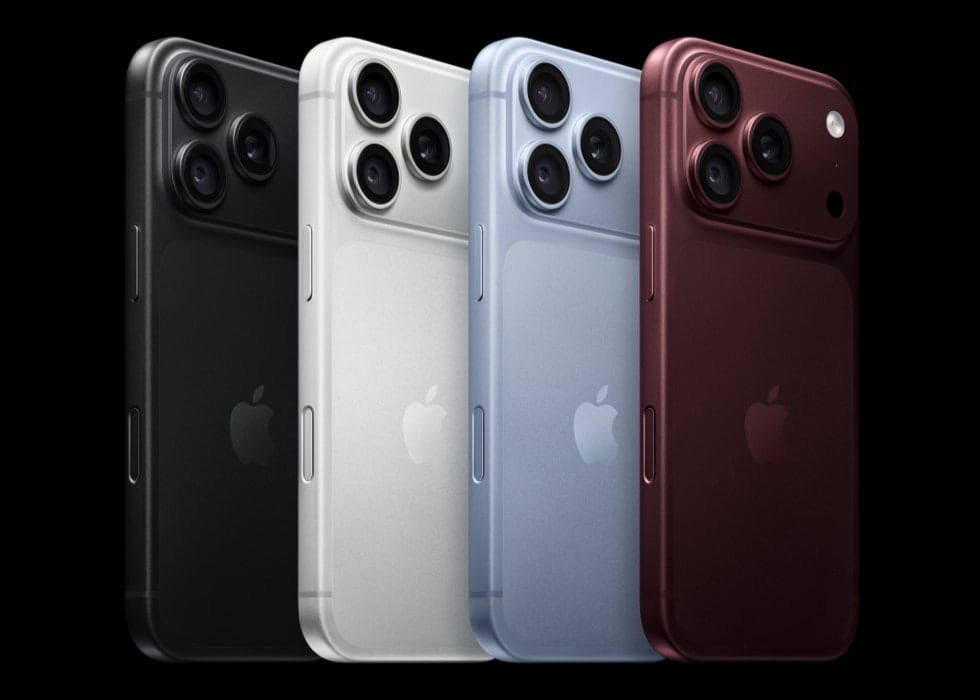

Apple’s handy AirPlay feature can sometimes be quirky. And if that’s your current experience, you’re lucky we’re here to help.
There are many reasons AirPlay won’t stream audio or video content from your devices. Sometimes, it could result from a faulty internet connection. Other times, your Apple device won’t properly send content to the desired destination.
Regardless, you can fix most AirPlay issues using some easy and quick methods. Below, we’ll look at all the possible ways to fix AirPlay when it’s not working on your iPhone 18 Pro Max.
1. Check the Minimum Requirements for AirPlay
To use AirPlay to stream content to a TV, make sure you’re using Apple TV 4K or an AirPlay 2-enabled smart TV.
The AirPlay receiver (the device you’re streaming content to) must support the feature, too.
To confirm a third-party device like a smart TV supports the AirPlay feature, look for an AirPlay-enabled label on the packaging.
2. Adjust AirPlay Receiver Settings in macOS
Modern Macs running macOS Monterey or later can double as an AirPlay receiver. This makes it possible to AirPlay content from another device to your Mac and even share a Mac’s screen via AirPlay, provided the AirPlay Receiver setting is turned on, as discussed below.
To protect your privacy, only devices that use the same Apple Account as your computer are permitted to AirPlay content to your Mac. To change that, venture into System Settings > General > AirDrop & Handoff and turn on the AirPlay Receiver setting on the right.
Now, even devices that don’t use the same Apple Account as your Mac can AirPlay to it. To permit any nearby devices to see your Mac as an AirPlay receiver, click Allow AirPlay for, choose Everyone from the menu, and then click the Allow Everyone button.
You can also let new devices AirPlay to your Mac without password verification by turning off the Require password option.
3. Wake Devices and Keep Them Close
If it wasn’t clear enough, remember that all your devices must be turned on and unlocked to use AirPlay. When using AirPlay on your Apple TV, ensure the device isn’t in sleep mode by clicking the remote to wake it from sleep.
Since AirPlay typically relies on peer-to-peer discovery, bring them as close to each other as possible to increase the connection strength.
4. Disable Automatic AirPlay to TVs
An iPhone may automatically AirPlay content to your Apple TV or AirPlay-compatible smart TV every time you use the feature. To stop that from happening, go to Settings > General > AirPlay & Continuity > Automatically AirPlay and choose Never.
Doing so shall stop your iPhone 18 Pro or iPhone 18 Pro Max from automatically connecting to a nearby AirPlay receiver like your Apple TV whenever you want to cast something on your Mac.
5. Turn Off Airplane Mode
When you turn on Airplane Mode initially, Wi-Fi, Bluetooth®, and cellular networks turn off. AirPlay requires both Wi-Fi and Bluetooth, so you’ll need to quit Airplane Mode to use AirPlay.
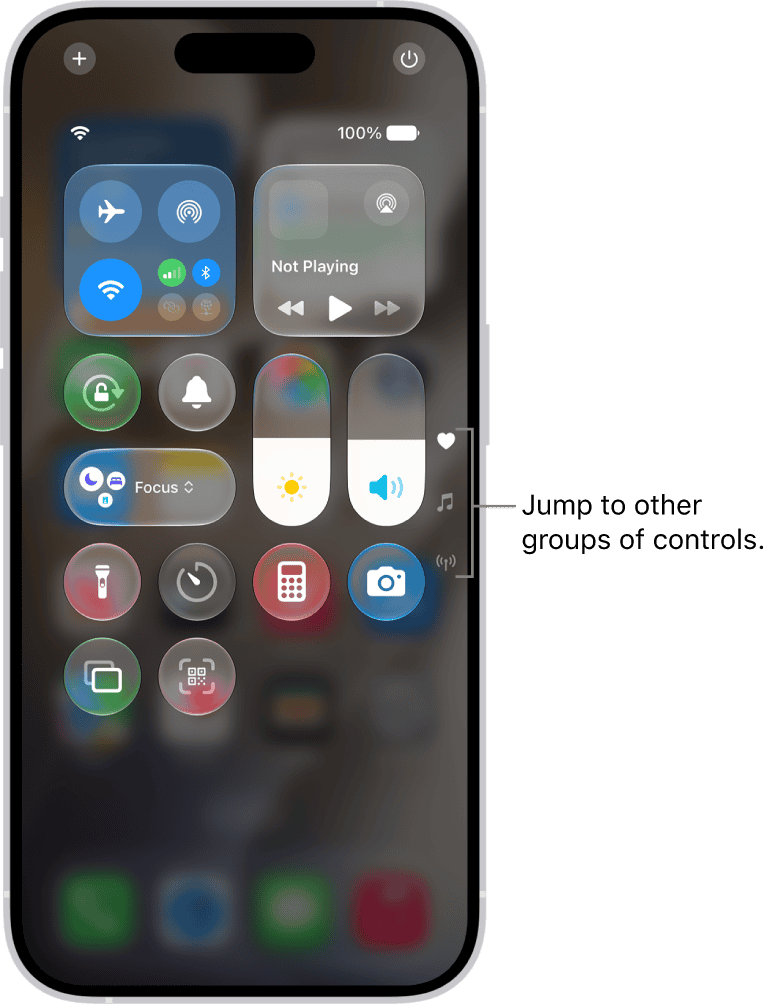
Open the Control Center on your iPhone by swiping down from the top-right corner, then touch a little airplane icon to toggle Airplane Mode. Alternatively, go to Settings > Airplane Mode to turn the feature on or off.
6. Switch on Bluetooth
Bluetooth must be enabled on both ends to allow the sender and receiver to discover each other. You can turn on Bluetooth on an iPhone in a couple of ways.
One way is to pull down from the top-right corner and enable the Bluetooth toggle in the Control Center. Alternatively, you can go to Settings > Bluetooth on your iPhone 18 Pro or iPhone 18 Pro Max and use the toggle to enable the feature.
7. Use the Same Wi-Fi Network
Peer-to-peer AirPlay lets AirPlay work even if the devices aren’t on the same Wi-Fi network or any network for that matter. If peer-to-peer discovery isn’t working for you, you should ensure both devices are connected to the same Wi-Fi network for best results.
To check what network you’re currently using on your iPhone, visit Settings > Wi-Fi to view the current network name.
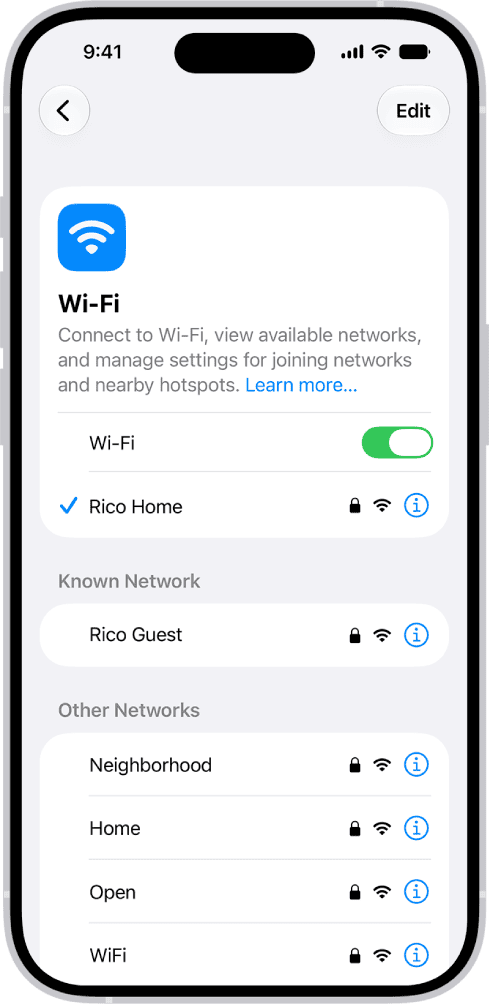
To check the Wi-Fi network you’re connected to on macOS, click the Wi-Fi icon in the menu bar or go to System Settings > Wi-Fi.
Apple TV users can check their current network in the Settings > Network menu.
If your Apple TV uses an Ethernet connection, be sure to connect it to the same router that creates your home’s Wi-Fi connection.
8. Restart Your Devices
Sometimes, the best solution is to restart all the devices you wish to use with AirPlay. On iOS, choose Settings > General > Shut Down. Drag the slider to turn off iPhone. On tvOS, select Settings > System > Restart. To restart your Mac, click the Apple menu and choose Restart.
9. Reboot Your Router
Among the reasons AirPlay cannot stream your content could be an issue with your router. It might be that your router is restricting content due to a minor problem with its firmware. In most cases, you can fix connection issues by turning a router off and back on.
10. Update Your Devices to the Latest Software
All AirPlay devices should be using the latest software version available for them.
- Updating your iPhone: Settings > General > Software Update
- Updating your Mac: System Settings > General > Software Update
- Updating your Apple TV: Settings > System > Software Updates > Update Software
- Updating your HomePod: Home app > More (…) > Home Settings > Software Update
Other Options for Connecting Apple Devices
It can be frustrating when AirPlay stops functioning when you need it most. Trying out the tips outlined above should fix your AirPlay woes. If not, it’s probably time to contact Apple Support.
AirPlay isn’t the only way to connect your iPhone 18 Pro Max to a smart TV. You should explore other ways to cast content to a TV whenever AirPlay doesn’t work for one reason or another.